
Why local weather matters for house washing in Libertyville, IL
Libertyville is in Lake County, IL, and the local seasonal cycle affects how quickly dirt and organic growth appear on homes. Periods of spring and summer bring pollen and higher humidity, which feeds mildew and algae. Fall brings leaf litter and more moisture on horizontal surfaces. Winter weather can leave salt residue and freeze/thaw cycles that affect paint and caulking. Those patterns combined determine how frequently exterior cleaning is needed and which surfaces need special attention.
Sun exposure, shade, and moisture
Areas of a house that get less sun—often north- or east-facing walls, shaded eaves, and dense vegetation zones—stay damp longer after rain. Persistent dampness creates the ideal environment for organic growth such as mildew and algae. When you’re evaluating whether your home needs house washing in Libertyville, IL, check shaded siding and the undersides of eaves first: these are common locations for visible staining.
Common organic buildups and how they affect exterior materials
Organic buildup on exterior surfaces isn’t just cosmetic. Over time it can trap moisture, accelerate surface breakdown, and reduce curb appeal. Below are common types of buildup you’ll see around Libertyville and how they affect typical exterior materials.
Mildew and mold
Mildew and mold appear as gray, black, or greenish stains on vinyl, wood, and painted surfaces. They feed on organic material and can spread if not removed. On porous materials like wood or masonry, these organisms can hold moisture against the surface, increasing the risk of rot or mortar weakening if left untreated.
Algae and green growth
Algae tend to form dark streaks or green films on siding, fences, and roofs—especially on shaded or north-facing areas. On roofs, algae can cause dark streaking and reduce the perceived cleanliness of roofing materials. On siding and decks, algae make surfaces slippery and can discolor finishes over time.
Pollen and dust
Pollen creates a yellow or brown haze that sticks to painted and vinyl surfaces. Dust and soot can combine with pollen to form a stubborn film that dulls paint and finishes. Regular rinsing removes loose pollen, but periodic house washing helps eliminate the residues that can stain over seasons.
Leaves, moss, and organic debris
Leaves and moss accumulate in gutters, window wells, and on flat or low-slope roofs. When they retain moisture, they promote decay in wood trim and provide a breeding ground for insects. Clearing debris and washing the underlying surface reduces long-term damage and prevents blocked drainage systems.
Practical house washing guidance for Lake County homes
When planning house washing in Libertyville, IL, practical preparation and routine care make the job more effective and longer-lasting.
Inspection and targeted cleaning
Walk around the property and note where staining or buildup is heaviest—siding, soffits, porch ceilings, decks, fences, and the roofline are common trouble spots. Concentrated cleaning on those areas saves time and reduces the need for more frequent whole-house washes.
Cleaning frequency
There’s no one-size-fits-all schedule, but many homes in the Lake County area benefit from periodic house washing to address seasonal pollen and moisture-driven growth. High-shade homes or properties with heavy tree cover will often require more frequent attention. Inspecting your home after prolonged wet periods or heavy pollen seasons helps determine the right rhythm for your property.
Protection and follow-up maintenance
After washing, check caulked joints, window seals, and painted trim for areas that may need touch-up or repair. Keeping gutters clear and trimming back vegetation that presses against siding reduces the recurrence of organic buildup and extends the life of exterior finishes.
Roof washing considerations for Libertyville homes
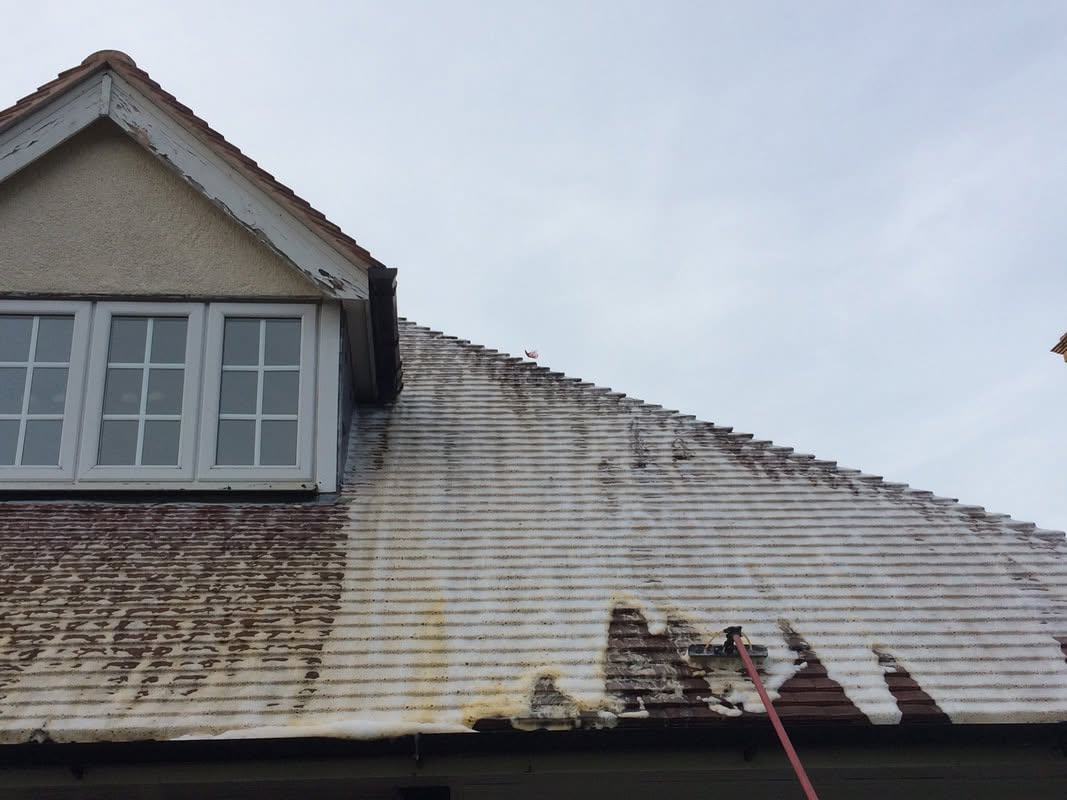
Code 3 Cleaning lists Roof Washing as a priority service, and roof surfaces require special care because of their exposure and role in protecting the home.
Why roofs need a different approach
Roofs are exposed to wind-blown debris, shade, and moisture accumulation, which can encourage algae and moss growth. Roof-cleaning techniques focus on removing organic material while preserving shingles and underlayment. Because roofs are often sloped and fragile, safe access and method selection are important to avoid damage.
When to consider roof washing
If you notice dark streaks, moss, or persistent green staining along roof valleys and lower slopes, it’s time to evaluate a roof wash. Regular visual checks after wet seasons or heavy pollen events can catch issues early and reduce long-term staining.
Safety and environmental considerations
Safe exterior cleaning balances effectiveness and care for landscaping, finishes, and drainage. Proper containment and rinsing practices limit runoff into planting beds and storm drains. A professional service can help plan placements for runoff and avoid directing water where it could cause issues for sensitive areas. If you have irrigation systems, low-lying plantings, or a particular environmental concern, mention those during scheduling so they can be protected.
Frequently asked questions
Q: How often should I schedule house washing in Libertyville, IL?
A: Frequency depends on sun exposure, tree cover, and local conditions. Homes in heavy shade or under dense tree cover usually need cleaning more often. Inspect your home seasonally—if you see mildew, green growth, or heavy pollen buildup, that’s a good sign it’s time to wash.
Q: Will washing damage my siding or paint?
A: When using appropriate methods and experienced practitioners, house washing is intended to clean surfaces without causing damage. Different materials need different approaches; for example, fragile wood trim and older paint require gentler methods than durable vinyl siding. Discuss your exterior materials when arranging service.
Q: Do I need to prepare my property before a house wash?
A: Basic prep includes closing windows, securing outdoor furniture, and covering delicate plants if advised. Professionals typically handle most on-site setup, but removing breakables and ensuring pets are inside makes the process smoother.
Q: Does house washing include roof washing?
A: They are related but separate services. Code 3 Cleaning lists both House Washing and Roof Washing as priority services. A combined approach is often scheduled when both house and roof show heavy organic buildup, but roof work may require separate planning and safety measures.
Ready to schedule or learn more?
If you’re noticing mildew, pollen stains, or green growth on your home in Libertyville, IL, a targeted house washing can restore appearance and reduce long-term wear. Code 3 Cleaning serves Lake County, IL and the surrounding area; we take a practical, safety-first approach to exterior cleaning. Call us at 224-381-0033 or visit our House Washing page to learn more and request an estimate. For general inquiries or to schedule service, use our contact page and we’ll follow up promptly.
Code 3 Cleaning
11452 14th Ave, Pleasant Prairie, WI 53158
Serving Lake County, IL and Kenosha County, WI