
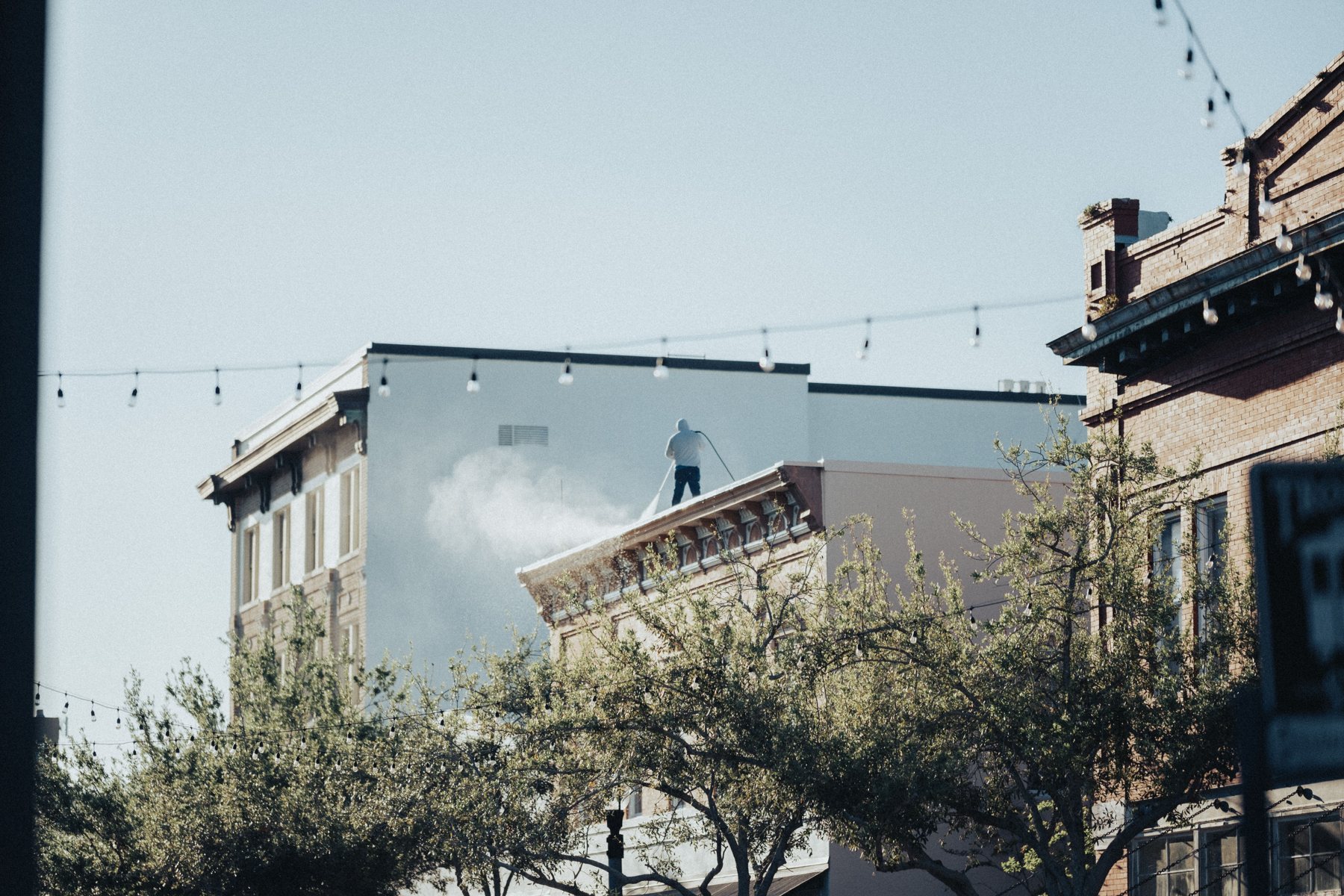
What is roof algae and why it appears
Roof algae are microscopic organisms—often visible as gray, black, or green streaks—that grow on shingles or other roofing materials. In our area around Kenosha County, WI and Lake County, IL, the combination of humidity, shade from trees, and seasonal rainfall can create conditions that allow algae to establish and spread. Algae itself feeds on minerals and the tiny organic particles that accumulate on roof surfaces; over time it can create the familiar dark streaking many homeowners notice.
Does roof algae damage my roof?
Algae primarily affects the appearance of your roof, but it can contribute indirectly to deterioration. Algae can retain moisture against the shingle surface and, especially when combined with moss or lichen, may accelerate wear on some roofing materials over long periods. Addressing roof algae removal helps preserve curb appeal and—when combined with routine roof inspections—can help you spot and address other issues early.
Common causes and where algae thrives
- Shade from mature trees that limits sun exposure
- High humidity and frequent precipitation
- Debris accumulation like leaves and needles that trap moisture
- Gutters or nearby surfaces that splatter mineral-rich water back onto the roof
DIY cleaning vs. professional roof algae removal
Homeowners often wonder if they can clean roof algae themselves. There are pros and cons to both approaches.
DIY considerations
- Safety: Working on a roof involves fall risk and sometimes fragile roofing materials. Ladder and fall-safety experience are important.
- Potential for damage: High-pressure washing can strip granules from shingles or force water under shingles, potentially voiding manufacturer warranties. Many modern shingle roofs are vulnerable to aggressive pressure washing.
- Effectiveness: Without the right cleaning approach and follow-up, algae can return quickly.
Why hire a professional for roof algae removal
- Knowledge of appropriate methods: Professionals can assess whether soft washing or a different low-pressure technique is appropriate for your roof type.
- Safety and insurance: A fully insured team brings their own fall protection and experience working on roofs safely.
- Comprehensive service: Pros can combine algae removal with gutter checks and a brief roof inspection to identify other issues.
How soft washing and low-pressure methods work
Soft washing and low-pressure approaches use cleaning solutions applied gently to the roof surface, allowing time for the treatment to break down algae before rinsing. This reduces the risk of shingle damage that can occur with high-pressure washing. In appropriate situations, soft washing is an effective way to remove algae while minimizing harm to roofing materials. When considering contractors, ask whether they use soft washing or low-pressure methods and why they chose that approach for your roof.
What homeowners should do before a roof cleaning appointment
Preparing your property helps the job go smoothly and reduces chance of surprises:
- Clear the area: Move vehicles, outdoor furniture, potted plants, and any delicate items away from the house and under the eaves.
- Trim back branches: If you can safely trim back overhanging branches, it improves access and reduces debris during cleaning.
- Secure pets and children: Keep them inside the home during the work.
- Check warranty and HOA rules: Review your roof manufacturer’s instructions and any homeowners association restrictions that apply to exterior work.
- Ask for documentation: Request proof of insurance and a written estimate before work begins.
What to ask a contractor about roof algae removal
When vetting companies, ask these practical questions so you understand the scope and limitations of the work:
- Which method will you use—soft washing, low pressure, or something else—and why is it appropriate for my roof type?
- Are you fully insured, and can you provide a copy of your insurance certificate?
- What steps do you take to protect landscaping, windows, and exterior finishes from runoff?
- Do you perform a roof inspection as part of the service, and will you document visible issues?
- What precautionary steps should I take before and after the cleaning?
Aftercare and prevention
Once algae is removed, a few routine actions can slow its return:
- Trim tree limbs to increase sunlight and airflow over the roof.
- Keep gutters clean so water drains freely and does not feed the roof surface.
- Remove accumulated debris from valleys and eaves during seasonal maintenance.
- Discuss with your service provider whether any periodic treatments are appropriate given local conditions.
Frequently asked questions (FAQ)
Is roof algae hazardous to my health?
Roof algae is primarily a cosmetic and roofing concern. It does not present the same indoor health risks as mold growing inside a home. That said, controlling algae helps maintain the condition of exterior surfaces and avoids the moisture buildup that can lead to other problems.
How long does roof algae removal last?
Longevity depends on local climate, shade, and preventive measures. In shady, humid environments, algae can return faster than on sunny, well-ventilated roofs. Regular roof maintenance and trimming nearby trees can lengthen the time between treatments.
Will cleaning my roof affect the warranty?
It can, depending on the roof manufacturer and the cleaning method used. Some warranties are voided by high-pressure washing. Ask your roofer for a low-pressure or soft washing option and check your warranty before scheduling work.
Can house washing and roof algae removal be done together?
Yes. Combining exterior house washing and roof cleaning is common and often more efficient. A coordinated approach can reduce the number of visits and ensure safe handling of runoff around windows and landscaping.
Working with a local, firefighter-owned team
Code 3 is a firefighter-owned, fully insured exterior cleaning business serving Kenosha County, WI and Lake County, IL. Our team understands the safety and attention to detail homeowners expect. Where appropriate, we use soft washing and low-pressure methods to address roof algae removal while minimizing risk to your shingles and landscaping. We are based at 11452 14th Ave, Pleasant Prairie, WI, and are available to answer questions and provide on-site assessments.
Ready to learn more or schedule an assessment?
If you’re concerned about roof algae or want a professional assessment of the safest cleaning option for your roof, call Code 3 at 224-381-0033. Our team serves homes across Kenosha County, Wisconsin and Lake County, Illinois and can discuss soft washing, low-pressure methods, and what to expect during the process. You can also visit us at 11452 14th Ave, Pleasant Prairie, WI to learn more about our approach.