
Living in Lincolnshire, IL (Lake County) means your home’s exterior faces a cycle of seasonal challenges: pollen in spring, warm-humid summers that encourage biological growth, fall leaves and winter freeze-thaw. Those cycles combine with shade, nearby trees, and road runoff to produce stubborn grime, mold, mildew, and algae on siding, trim, decks, and roofs. Regular, professional house washing helps protect curb appeal and the long-term condition of exterior materials.
How Lincolnshire weather influences exterior buildup
Rather than a single cause, exterior staining and buildup result from repeating local conditions. In this region:
- Spring pollen settles on surfaces and creates a tacky base that traps dust and dirt.
- Warm, humid periods feed algae, mildew, and moss growth, especially on shaded north-facing walls and roof valleys.
- Falling leaves and organic debris collect in gutters and crevices, holding moisture against wood and trim.
- Winter freeze-thaw cycles can lift paint and trap moisture in cracks, which encourages biological growth once temperatures rise.
These interactions mean that what looks like simple dirt often has a living component. Removing the organic layer is more than cosmetic: it reduces staining, slows surface breakdown, and helps paint and finishes last longer.
Why soft washing and low-pressure methods matter
House exteriors in Lincolnshire are built from a mix of materials—vinyl, wood, brick, stucco, and composite siding. High-pressure washing can force water behind siding, strip paint, or damage trim. That’s why Code 3 uses soft washing and low-pressure approaches where appropriate. Soft washing combines specialized cleaning solutions with gentle rinsing to break the bond between organic growth and the surface so it can be rinsed away safely.
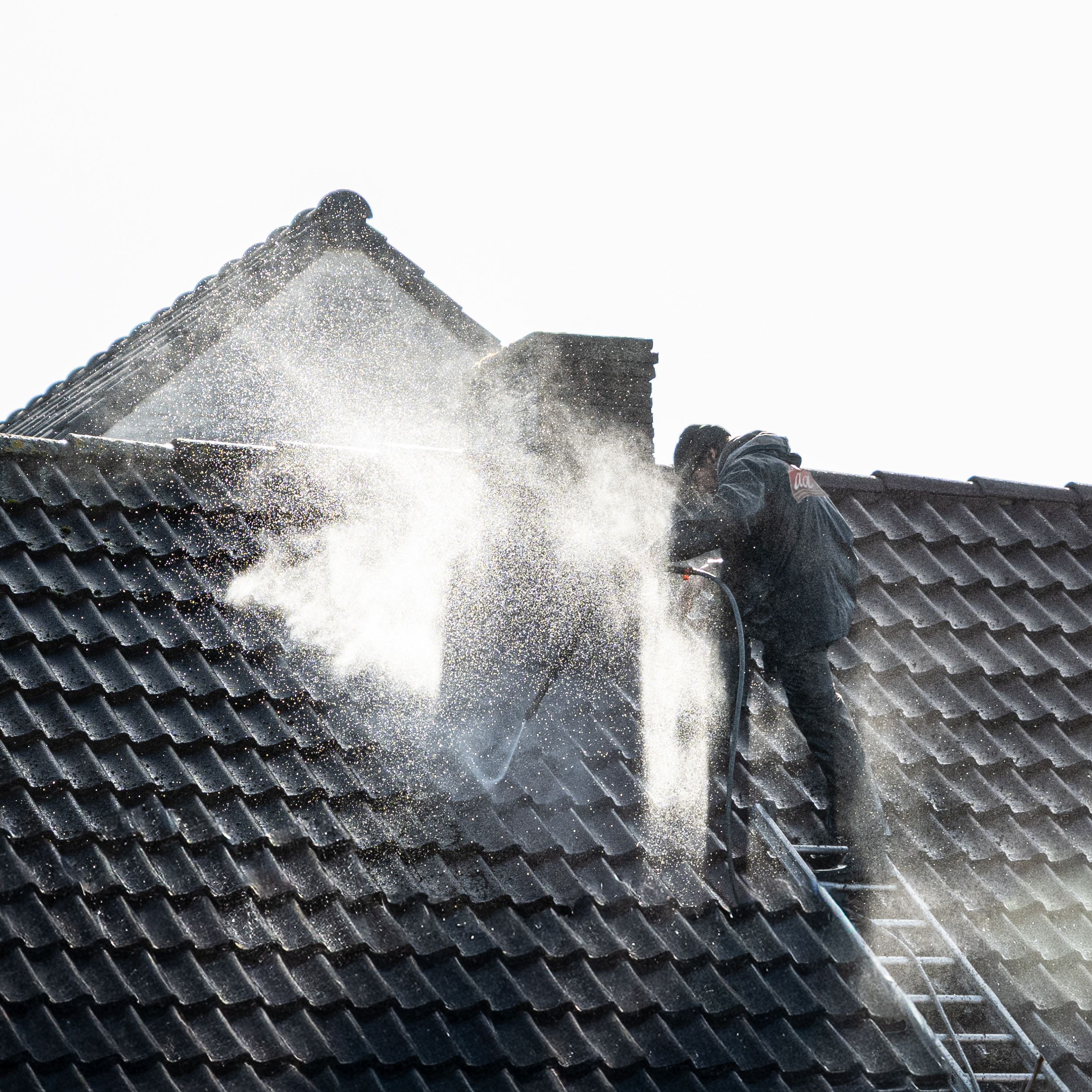
This method reduces the risk of damage and is typically effective on siding, soffits, fascia, windows, decks, and other exterior features. For roofs, low-pressure roof washing targets organic growth without the abrasive force that can shorten shingle life.
What a professional cleaning does that a garden hose doesn’t
- Removes biological growth at the root rather than just blasting surface staining.
- Uses application techniques that protect landscaping and exterior finishes.
- Allows trained technicians to identify problem areas like deteriorating caulk, damaged trim, or clogged gutters that should be addressed.
Signs your Lincolnshire home needs house washing
Homeowners should consider professional house washing when they notice:
- Green, black, or brown streaking on siding or roof surfaces.
- Persistent pollen films on north-facing walls or shaded porches.
- Slippery, discolored walkways and decks that collect organic residue.
- Gutters backing up with decomposed leaf material or staining below downspouts.
- Reduced curb appeal before selling or after a long season of storms and tree debris.
Preparing your home for a soft wash
There are simple steps homeowners can take to make a professional house washing faster and more effective:
- Move lightweight patio furniture, potted plants, and vehicles away from the house where possible.
- Cover or relocate sensitive outdoor equipment and check that irrigation systems are turned off during service.
- Trim back low-hanging branches that block access to siding or roof edges.
- Secure pets and place houseplants where they won’t be exposed to runoff during the cleaning.
Technicians typically protect landscaping and rinse thoroughly, but these preparations help speed the job and reduce the chance of collateral mess.
How often should you schedule house washing?
Frequency depends on site-specific factors like tree cover, roof pitch, and how shaded your home is. Homes with heavy tree cover or persistent humidity may need cleanings annually or every 12–18 months. Homes in sunnier, more open settings can often go longer between services. A technician can recommend an interval after assessing your property.
Other exterior services to consider
House washing is often paired with other maintenance to protect a home’s envelope and appearance:
- Gutter cleaning to prevent water backup and stains.
- Roof washing for algae and moss control using low-pressure methods.
- Deck and patio cleaning to remove slippery organic films and restore wood or composite surfaces.
If you want details on our approach to roofs, see our roof washing page. For specifics about siding and full-home cleanings, our house washing page explains typical project steps and preparation advice.
Why choose Code 3 for house washing in Lincolnshire, IL
Code 3 is firefighter-owned and fully insured. We serve Lake County, IL and Kenosha County, WI from our base at 11452 14th Ave, Pleasant Prairie, WI. Our team uses soft washing and low-pressure methods where appropriate to protect siding, trim, and roofing materials while removing organic growth and grime. If you have questions about how seasonal conditions are affecting your home or want an assessment, we can help.
Frequently asked questions
Is house washing safe for all siding types?
Soft washing is a safe choice for many common siding materials because it avoids high-pressure impact. However, some surfaces require specific care—your technician will evaluate materials and recommend the safest method for effective cleaning.
Will the cleaning harm my landscaping?
Technicians take steps to protect plants: pre-wetting, temporary coverings, and rinsing after application. Discuss any sensitive or newly planted gardens with your technician so extra precautions can be taken.
Can I pressure wash myself to save money?
DIY pressure washing can be effective for some hard surfaces, but homeowners risk damage to siding, windows, and mortar if the pressure is too high or if cleaning solutions are used improperly. For biological stains on siding and roofs, professional soft washing removes the root of the problem with less risk of harm.
How long does it take for growth to return after a cleaning?
Return rates vary by location, shade, and roof/siding exposure. Properly applied soft washing removes biological growth and typically delays reappearance, but areas with heavy shade or constant moisture may see sooner recurrence. Regular maintenance reduces long-term buildup.
Call to action
If you’re seeing streaks, pollen build-up, or slippery walkways around your Lincolnshire home, schedule an assessment with Code 3. We’re firefighter-owned, fully insured, and serve Lake County, IL and Kenosha County, WI. Call us at 224-381-0033 or visit our contact page to request an appointment or ask about soft washing for your siding and roof.
Leave a Reply